
COLLABORATIONS
- DCYIA & CEPROME
- Dicastery of Communication
- Dicastery for Laity, Family and Life
- Dicastery for Promoting Integral Human Development
- The Institute of Anthropology (IADC)
- Commission for Protection of Minors
- Chicago Catholic Office for the Deaf
- Ministry Formation Program (MFP)
- San Bartolo Coyotepec
- Sister Veronica
- Dicastery of Evangelization
CEPROME
A key development in the safeguarding work is the partnership between CeproMe Latinoamérica (Centro de Protección de Menores) and the Deaf Catholic Youth Initiative for the Americas (DCYIA). Although both organizations have different origins and areas of specialization, they share a common commitment: the prevention of abuse, the protection of vulnerable persons, and the creation of accessible safeguarding structures within the Catholic Church and related institutions.
DCYIA brings extensive experience working directly with Deaf communities across the Americas, including Deaf ministry, leadership development, accessibility in sign languages, and advocacy for Deaf survivors of abuse. CeproMe contributes recognized expertise in safeguarding, child and vulnerable adult protection, trauma-informed response, professional training, and institutional prevention policies throughout Latin America.
The relationship between the two organizations was strengthened through a formal collaboration agreement (convenio de colaboración), which established a framework for joint action in the areas of training, education, research, prevention, and response to abuse affecting Deaf people. Rather than functioning as isolated organizations, CeproMe and DCYIA agreed to combine their complementary strengths: DCYIA providing direct knowledge of Deaf culture, language, and community realities, and CeproMe providing safeguarding methodologies, professional formation, and institutional support.
This agreement has made possible a series of collaborative initiatives, including bilingual and multilingual webinars, interpreter-accessible training programs, international conferences, and educational resources focused on sexual abuse prevention, trauma awareness, family support, and professional intervention within Deaf communities.
The partnership is significant because it represents more than a simple organizational alliance; it reflects a shared commitment to changing the culture of abuse through accessibility, inclusion, and collaboration. By integrating safeguarding expertise with Deaf leadership and sign language accessibility, CeproMe and DCYIA have created a model that seeks to ensure that Deaf children, adults, and older persons are not only protected from abuse but are also able to access prevention education, reporting mechanisms, pastoral care, mental health services, and justice in ways that respect their language and culture.
In this sense, the collaboration agreement between CeproMe Latinoamérica and DCYIA provides the institutional foundation for broader safeguarding initiatives, demonstrating how partnerships between specialized safeguarding organizations and Deaf-led ministries can strengthen prevention efforts and promote more inclusive and effective protection systems throughout Latin America and the Americas.
https://cepromelat.com/
Collaboration between CeproMe Latin America and DCYIA
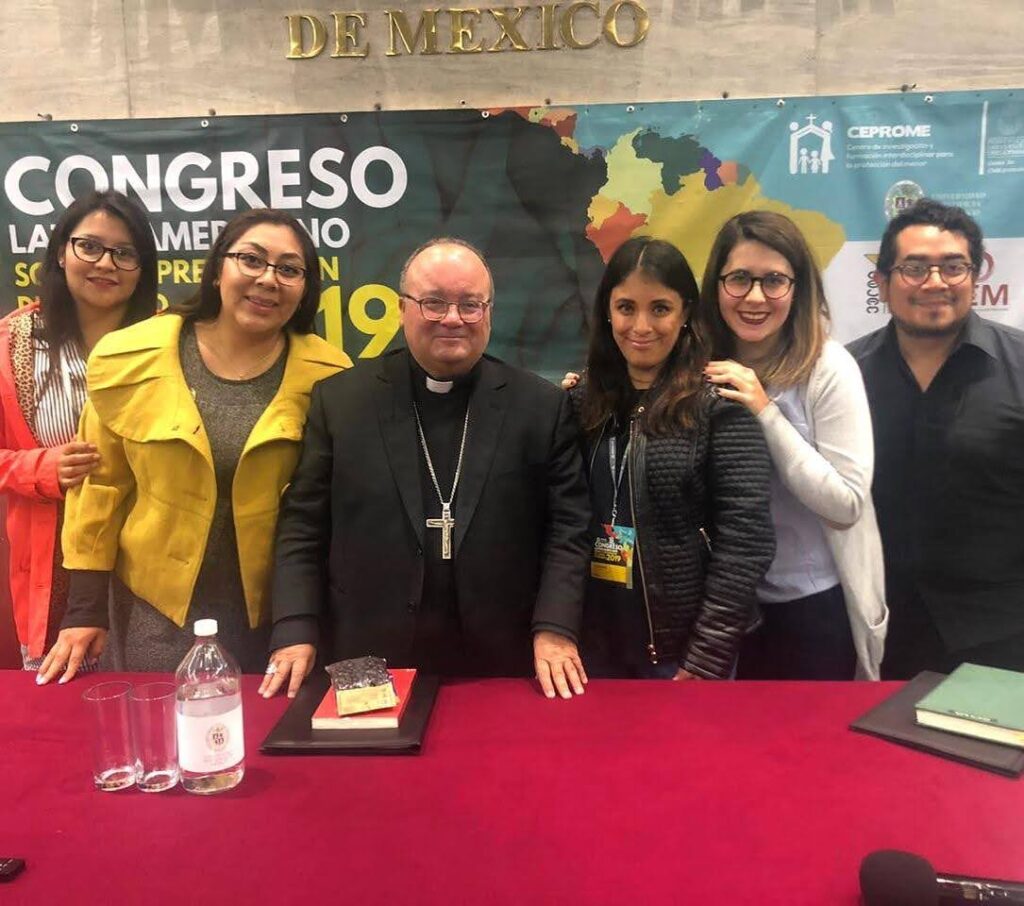
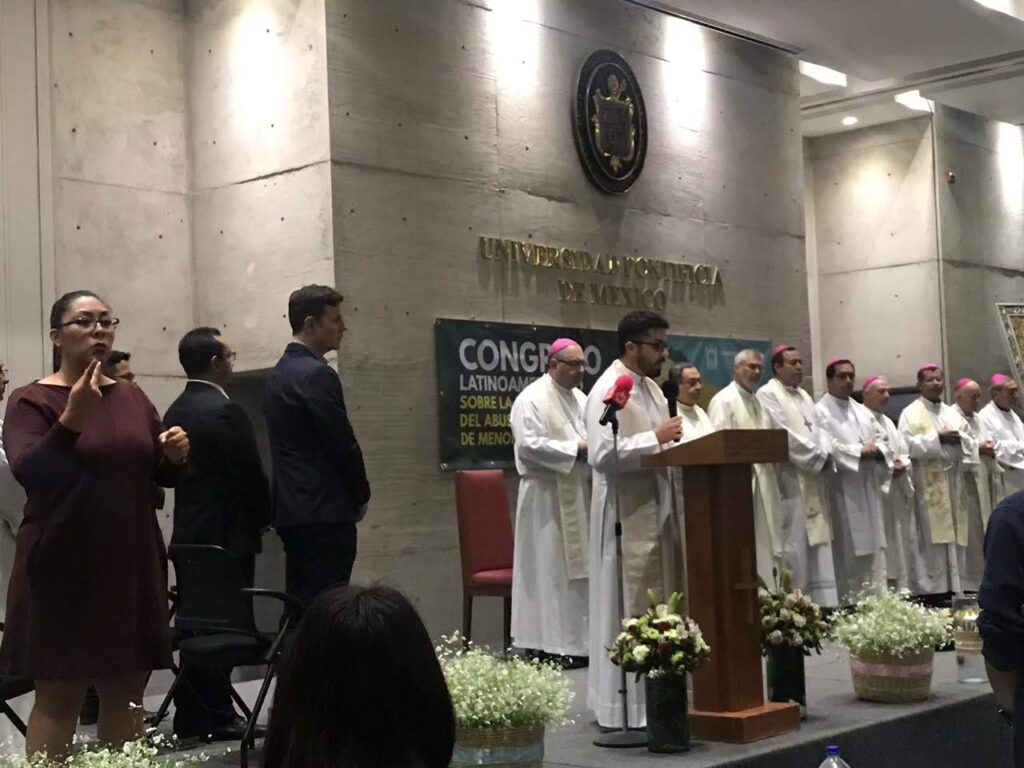
At the First Latin American Congress (2019)
The collaboration between CeproMe Latin America (Center for the Protection of Minors) and the Deaf Catholic Youth Initiative for the Americas (DCYIA) traces one of its key origins to the First Latin American Congress on Deaf People, Abuse, and the Catholic Church, held in 2019. This congress marked a foundational moment for the development of joint initiatives aimed at preventing abuse, protecting vulnerable individuals, and including the Deaf community in safeguarding processes within the Catholic Church. The 2019 First Latin American Congress can be viewed as the starting point of a strategic alliance between CeproMe Latin America and DCYIA, aimed at fostering a culture of prevention, accessibility, and inclusion—one in which Deaf people are not merely recipients of protection policies but also active participants and leaders in creating safe, abuse-free environments.
Collaboration at the 2026 Costa Rica Congress
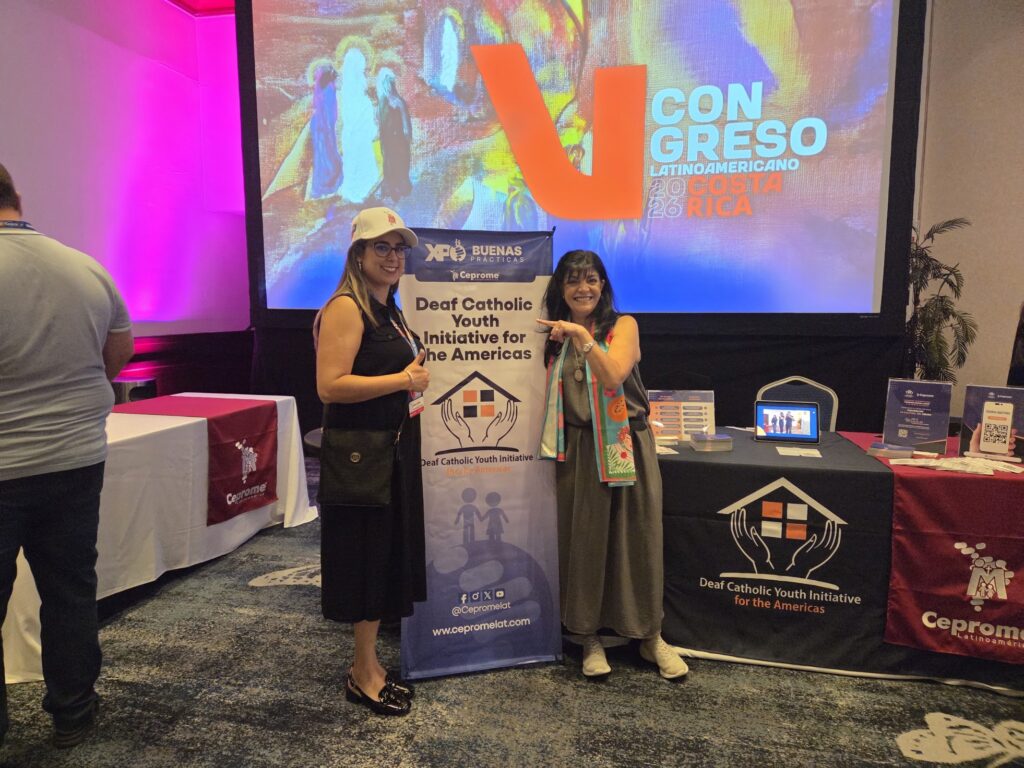
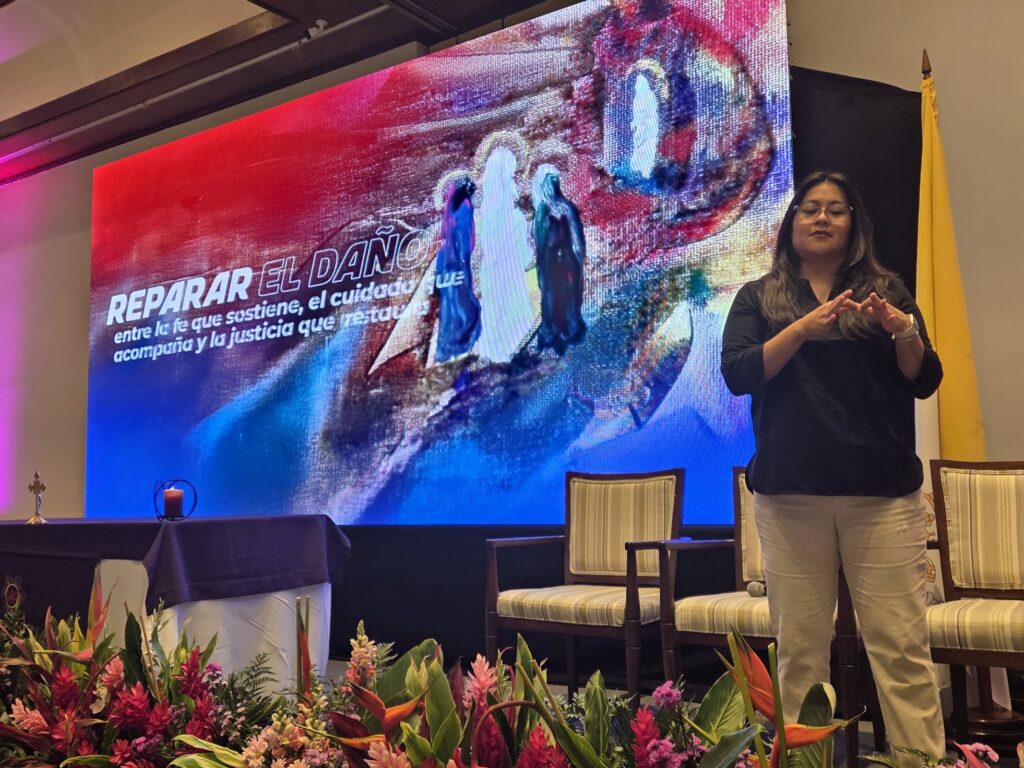
DCYIA’s Participation in the 5th CEPROME Latin American Congress
The 5th Latin American Congress of the Center for Interdisciplinary Research and Formation for the Protection of Minors (CEPROME) conveyed a central message from day one: the Church seeks to listen better and to heal the wounds caused by abuse. This commitment to deeper listening, a more humane pastoral response, and a truly inclusive culture of safeguarding was reflected not only in the lectures and panels but also in the concrete accessibility measures adopted during the gathering. One of the most significant contributions was the participation of the Deaf Catholic Youth Initiative for the Americas (DCYIA) through the provision of professional sign language interpreters. The presence of these interpreters served as a visible sign of inclusion and recognition of the Deaf community. At the same time, it made a frequently overlooked reality visible to hearing participants: accessibility is an essential condition for ensuring that listening, prevention, and reparation are authentically universal. The impact of the DCYIA interpreters’ presence was widely felt by congress attendees. Many participants noted that the interpretation transformed the gathering’s dynamic, raising awareness of the communication barriers faced by Deaf people and the need to permanently incorporate accessibility criteria into the Church’s safeguarding initiatives. DCYIA’s participation demonstrated that a Church wishing to listen better must also do so in sign language, recognizing Deaf individuals as active participants, leaders, and collaborators in building safe communities. In this regard, the collaboration between CEPROME and DCYIA during the 5th Latin American Congress not only strengthened the institutional commitment to protecting vulnerable individuals but also offered a concrete model of inclusion, shared responsibility, and cultural transformation. Its impact was evident to all present, reaffirming that safeguarding must be accessible to everyone, without exception.
The Collaboration of DCYIA, CEPROME Latin America, and the Archdiocese of Panama
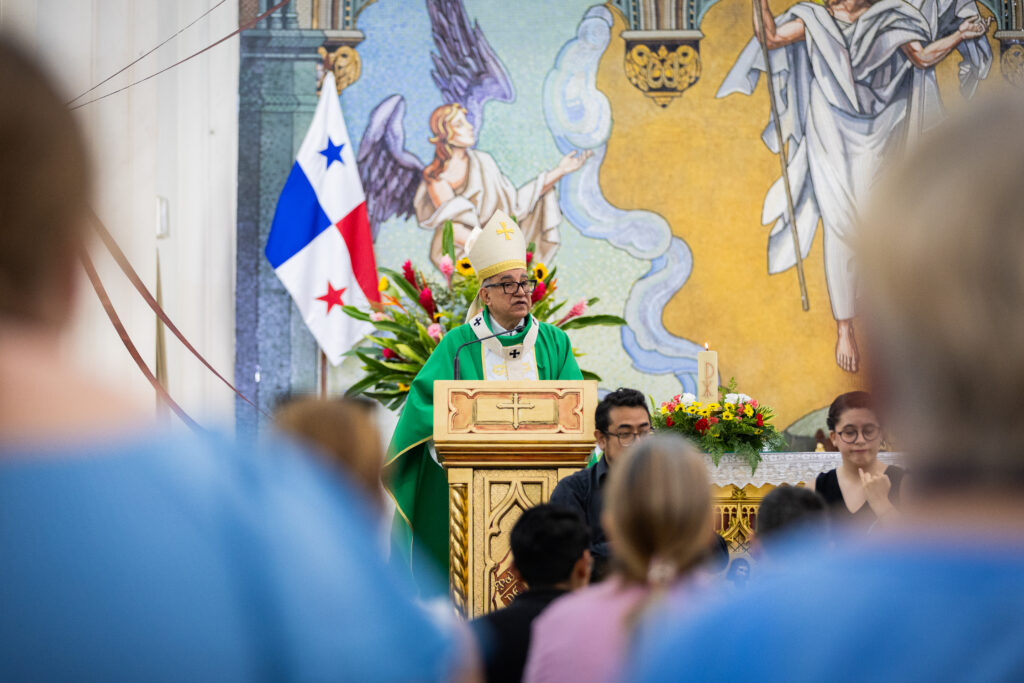
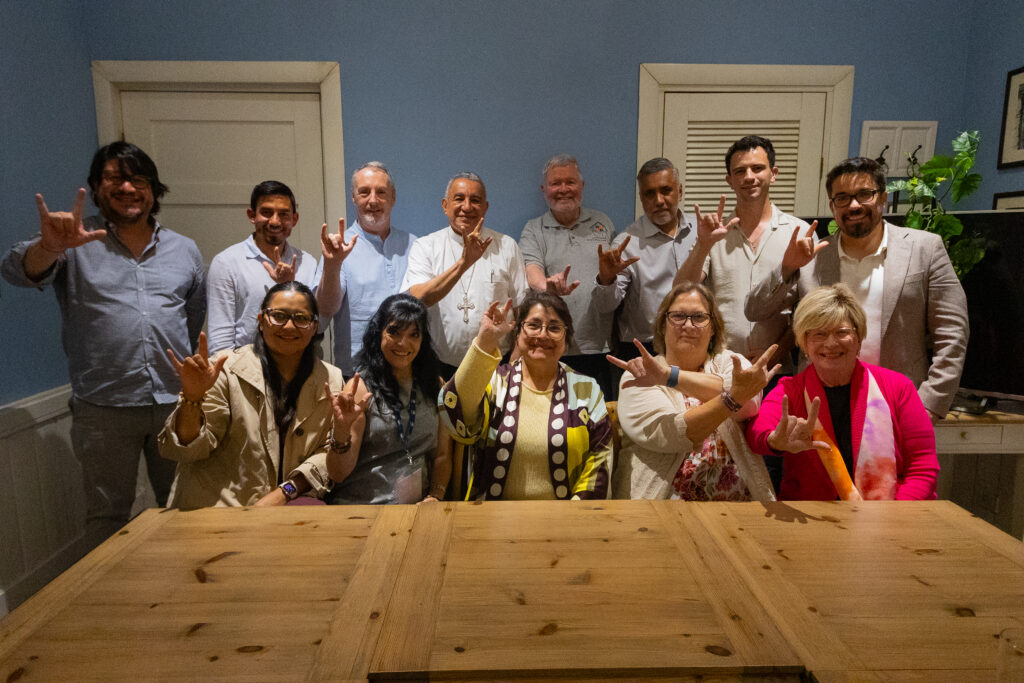
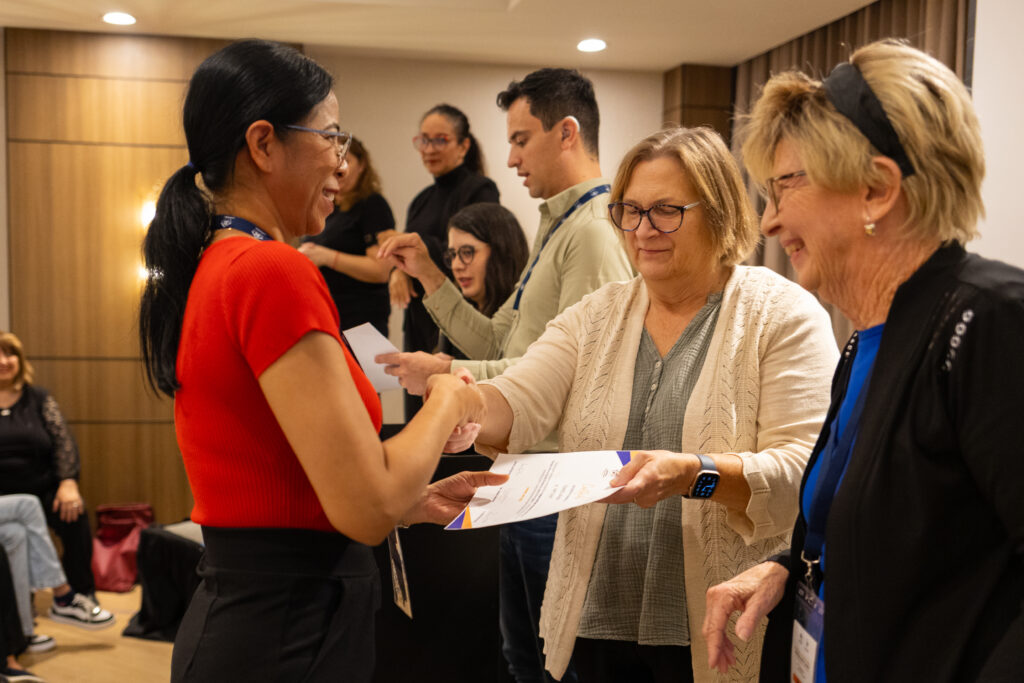
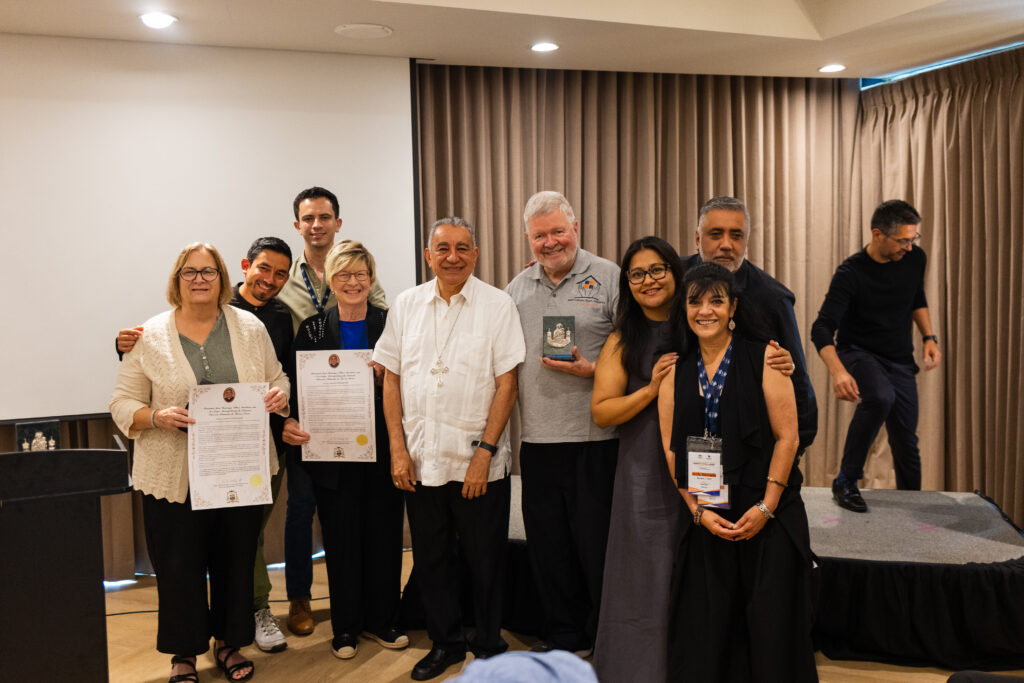
The International Congress “Deaf People, Abuse and the Catholic Church: Changing the Culture of Abuse Together,” held in Panama City from July 8–11, 2026
Represented one of the most significant collaborative initiatives between the Deaf Catholic Youth Initiative for the Americas (DCYIA), CEPROME Latin America (Center for Interdisciplinary Research and Training for the Protection of Minors), and the Archdiocese of Panama. The congress brought together three institutions whose complementary missions made the event possible: DCYIA’s leadership and pastoral work within Deaf communities, CEPROME’s expertise in safeguarding and abuse prevention, and the Archdiocese of Panama’s pastoral and institutional support as host of the congress.
The primary goal of the congress was to promote a culture of prevention, protection, and healing that fully includes Deaf people within the safeguarding efforts of the Catholic Church. Unlike many conferences that address abuse prevention in general terms, this congress focused specifically on the experiences of Deaf children, adults, and older persons, examining the communication barriers that often prevent disclosure, access to justice, pastoral care, and mental health services. The event emphasized that safeguarding cannot be effective unless it is also linguistically and culturally accessible.
DCYIA played a central role in ensuring accessibility throughout the congress by coordinating professional sign language interpreters, facilitating the participation of Deaf leaders from across the Americas, and creating spaces in which Deaf participants were not merely recipients of protection initiatives but active contributors and leaders in shaping safeguarding policies and practices. CEPROME Latin America contributed its extensive experience in interdisciplinary training, institutional safeguarding, trauma-informed care, and the development of protection protocols, bringing together specialists in mental health, education, canon law, social work, and pastoral ministry. The Archdiocese of Panama provided the institutional framework and pastoral leadership necessary to host an international gathering dedicated to listening, accountability, and the healing of abuse-related wounds within the Church.
A particularly important aspect of the congress was the visible impact of sign language interpretation on the entire assembly. The interpreters coordinated by DCYIA did far more than translate presentations; they transformed the congress into a genuinely inclusive environment in which Deaf and hearing participants could engage with one another directly. Many attendees remarked that the presence of interpreters broadened their understanding of accessibility and highlighted the responsibility of the Church to communicate in ways that allow every person to participate fully in safeguarding efforts.
The Panama 2026 Congress demonstrated that the collaboration between DCYIA, CEPROME Latin America, and the Archdiocese of Panama extends beyond the organization of conferences. It represents a strategic partnership dedicated to changing the culture of abuse through accessibility, inclusion, and shared responsibility. By integrating safeguarding expertise with Deaf leadership and sign language accessibility, the three institutions have developed a model that strengthens prevention efforts, supports survivors, and promotes a Church in which Deaf people are heard, protected, and recognized as essential partners in the work of safeguarding throughout Latin America and the Americas.
DCYIA at the VI CEPROME Latin American Congress in Guadalajara. 2027
The collaboration between Deaf Catholic Youth Initiative for the Americas (DCYIA) and CEPROME Latin America continues to deepen through their joint participation in the VI CEPROME Latin American Congress, to be held in Guadalajara, Mexico.
Building on the partnerships established during previous congresses, webinars, and international safeguarding initiatives, DCYIA will take on a direct operational and educational role in the congress.
For the first time, DCYIA will collaborate not only as a supporting partner but as an active co-organizing contributor, participating in the development and implementation of workshops, coordinating professional sign language interpretation services, and assisting with event logistics and participant accessibility. This expanded role reflects the growing recognition within CEPROME that accessibility is not an optional addition to safeguarding initiatives but a fundamental requirement for meaningful participation and protection.
DCYIA’s involvement in the workshops will bring the perspective of Deaf leaders, Deaf ministry, and sign language accessibility directly into the congress program, ensuring that discussions on abuse prevention, institutional safeguarding, trauma-informed care, and pastoral accompaniment include the realities experienced by Deaf children, adults, and older persons. The coordination of interpreters will facilitate communication among participants from different linguistic and cultural backgrounds, allowing Deaf and hearing professionals to engage fully in training sessions, panel discussions, and collaborative activities.
In addition to interpretation services, DCYIA will contribute to the logistical planning and accessibility infrastructure of the congress, helping to create an environment in which Deaf participants can participate on equal terms with hearing attendees.
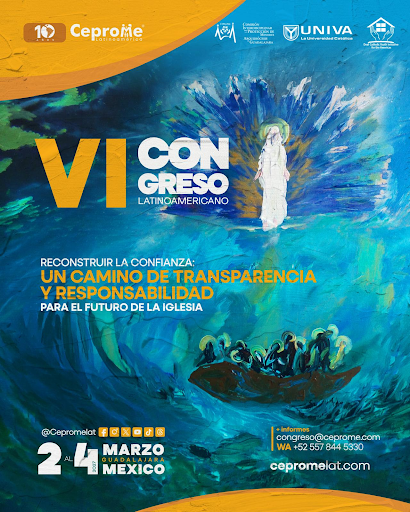
This includes coordination of communication access, workshop support, and organizational assistance designed to remove barriers that have historically limited Deaf participation in ecclesial and academic events.
The VI CEPROME Latin American Congress in Guadalajara therefore represents a new phase in the relationship between DCYIA and CEPROME Latin America. Their collaboration has evolved from shared educational initiatives and conference participation to direct institutional cooperation in the planning, accessibility, and execution of a major international safeguarding congress. This partnership demonstrates a model of inclusive safeguarding in which Deaf leadership, professional interpretation, and organizational collaboration are integrated into the very structure of the event, reinforcing the commitment of both institutions to building a Church that is safer, more accessible, and more responsive to the needs of all people.
Dicastery of Communication
No One Left Out: A Vatican Vision of Accessibility and Inclusion
The collaboration between DCYIA and the Dicastery for Communication of the Holy See emerged from a shared conviction that the Gospel must be accessible to everyone and that no person should be excluded from the life of the Church because of language, disability, or communication barriers. This vision became the foundation of the initiative “No One Left Out” (also referred to as “No One Left Behind”), a program dedicated to promoting accessibility, inclusion, and meaningful participation for people from diverse linguistic and cultural communities.
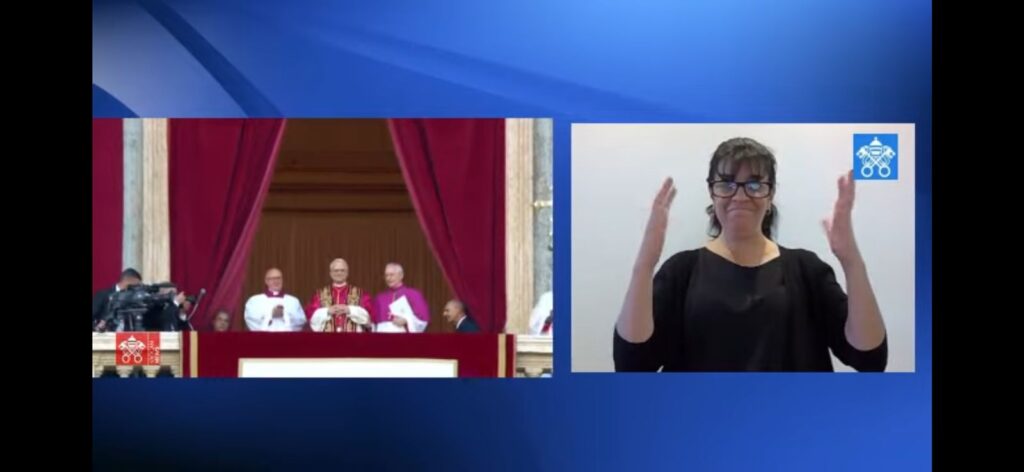
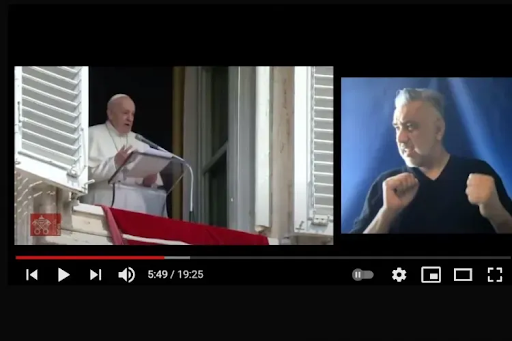
Launched during Easter 2021, the initiative marked a historic step in Vatican communications. For the first time, major papal events—including Easter celebrations, the Sunday Angelus, Wednesday General Audiences, and other significant liturgical celebrations—were systematically made available with sign language interpretation, initially in Italian Sign Language (LIS) and American Sign Language (ASL). The project reflected the Holy See’s commitment to ensuring that Deaf and hard-of-hearing Catholics could participate directly in the Church’s central moments of prayer, teaching, and communion.
From the beginning, the initiative was conceived not simply as a translation service but as a pastoral commitment to accessibility. Sign-language interpretation was treated as an essential dimension of communication rather than an optional accommodation, affirming the dignity and active participation of Deaf persons within the universal Church.
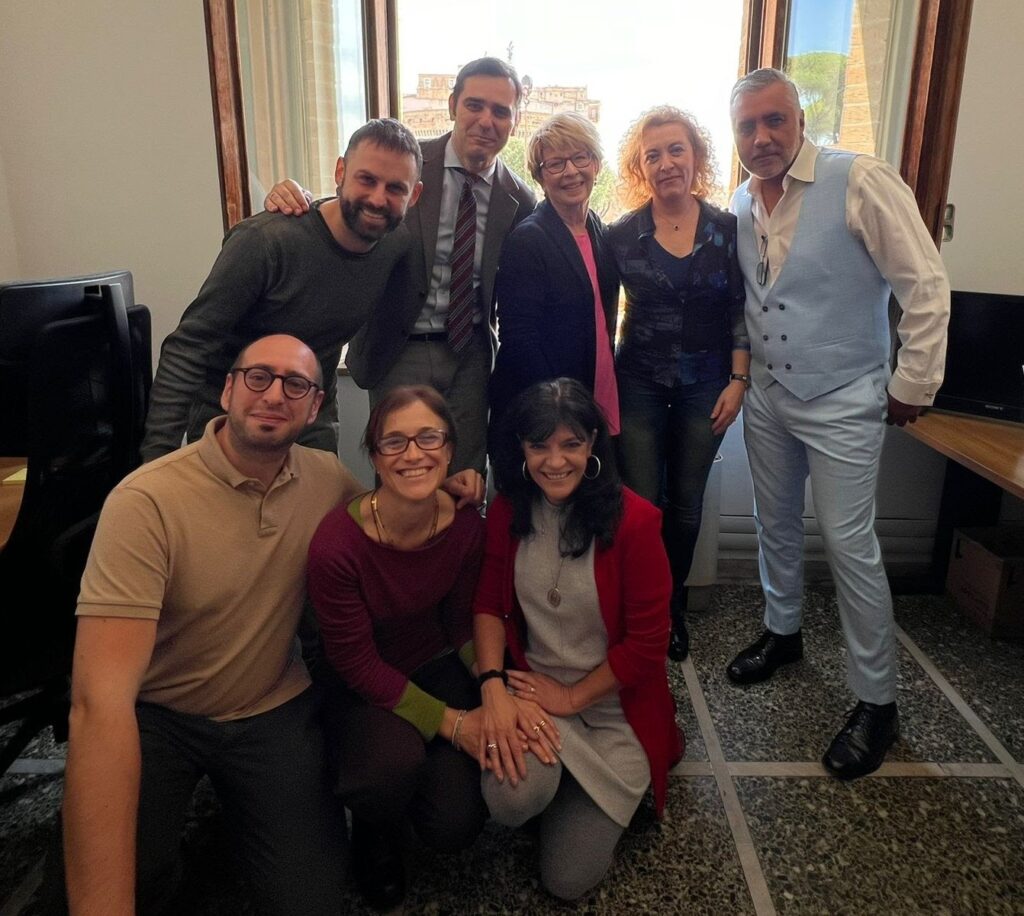
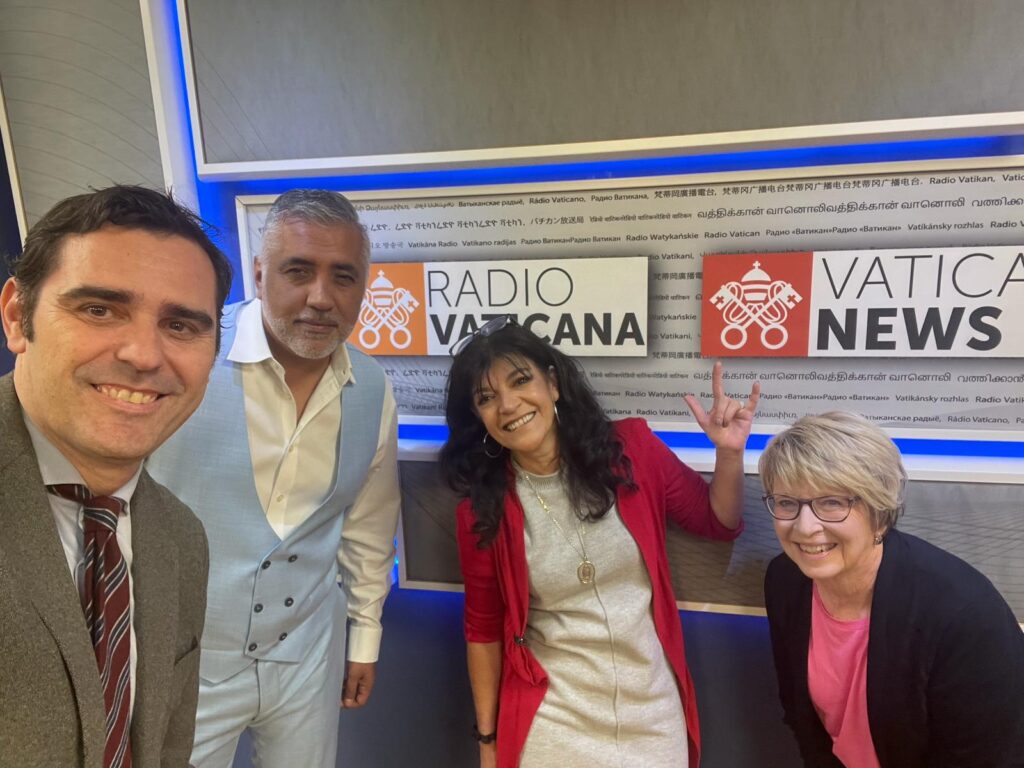
A defining feature of the project was the collaboration between the Dicastery for Communication, Sr. Veronica Donatello, and Alessandro Gisotti, whose leadership helped shape the initiative’s pastoral and communicative vision. DCYIA played a key role in the development and international expansion of the program, contributing expertise in Deaf ministry, interpreter coordination, accessibility planning, and multilingual communication. Working together, these partners helped build a model in which accessibility was integrated into the planning of Vatican events from the outset rather than added afterward as a supplementary service.
What began with LIS and ASL soon evolved into a broader framework of inclusion. The project became an example of synodality in practice: listening across differences and creating structures that allow every person to participate fully in ecclesial life.
One of the initiative’s most significant developments was the creation of the Vatican for All application, a free mobile platform for iOS and Android designed for people with communication, hearing, and visual impairments. The app provides direct access to live and on-demand Vatican broadcasts interpreted in ASL and LIS, allowing users around the world to follow papal addresses and liturgical celebrations in an accessible format. The service is complemented by dedicated Vatican News broadcast channels and online streaming platforms that regularly feature interpreted versions of papal events.
The project was developed in collaboration with organizations such as the Pius Institute for the Deaf in Milan and other pastoral experts in disability inclusion, further strengthening its technical and pastoral foundations. These partnerships ensured high-quality interpretation, culturally appropriate communication, and ongoing accessibility innovation within Vatican media.
The impact of No One Left Out has extended far beyond the Vatican itself. Through conferences, international gatherings, educational initiatives, and digital outreach, the collaboration between DCYIA and the Dicastery for Communication has demonstrated that accessibility is not merely a technical matter—it is a theological expression of the Church’s universal vocation. By removing communication barriers and affirming the presence of Deaf and disabled persons at the center of ecclesial life, the initiative has become a powerful witness to a Church that seeks to welcome everyone.
Today, No One Left Out stands as one of the most visible examples of inclusive communication within the Catholic Church. It illustrates how institutional collaboration, technological innovation, and pastoral commitment can work together to ensure that no one is excluded from the message, the liturgy, or the life of the Church. Through the combined efforts of the Dicastery for Communication, Sr. Veronica Donatello, Alessandro Gisotti, and DCYIA, the initiative continues to inspire accessibility efforts across continents, reminding the Church that authentic communication is achieved only when every person is able to participate, understand, and belong.

App Download Links
You can download the official accessibility application completely free of charge to access American Sign Language (ASL) and Italian Sign Language (LIS) versions of papal addresses
- For Apple iOS Devices: Download it directly from the Apple App Store.
- For Android Devices: Download it via the Google Play Store.
Sign Language Broadcast Schedules
Papal events featuring ASL translation are streamed live and uploaded for on-demand playback. They occur during these regular weekly intervals.
- Sundays at Midday (12:00 PM Rome Time): The live Angelus Prayer and seasonal address delivered from the Apostolic Palace.
- Wednesdays at 9:00 AM / 9:30 AM Rome Time: The weekly General Audience and catechesis.
Dicastery for Laity, Family and Life
A Partnership for Participation and Belonging: DCYIA and the Dicastery for the Laity, Family and Life
The collaboration between DCYIA (Deaf Catholic Youth Initiative for the Americas) and the Dicastery for the Laity, Family and Life has grown from a shared conviction that Deaf and disabled persons are not merely included in the Church—they are an integral part of the Church’s life, mission, and leadership. Inspired by the pastoral vision of Pope Francis, the partnership has consistently promoted accessibility, participation, and the recognition of persons with disabilities as active protagonists in evangelization and ecclesial life.
From its earliest collaboration with the Dicastery, DCYIA brought the lived experience of Deaf Catholics from across the Americas into Vatican conversations on disability, youth ministry, family life, and synodality. Through its international network of Deaf leaders, interpreters, catechists, and pastoral ministers, DCYIA contributed practical expertise in sign-language communication, accessibility planning, interpreter coordination, and inclusive pastoral formation, helping to shape initiatives that placed participation at the center of the Church’s mission.
#IamChurch: From Inclusion to Protagonism
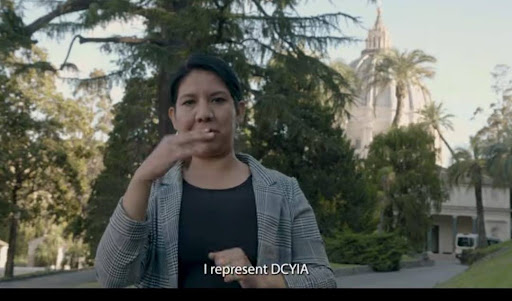
A defining moment in this collaboration was the Vatican campaign #IamChurch, launched by the Dicastery for the Laity, Family and Life during the Amoris Laetitia Family Year. The campaign consisted of a series of video testimonies in which persons with disabilities from different parts of the world affirmed a simple yet transformative truth: “I am Church.” The initiative emphasized that, through Baptism, every person belongs fully to the People of God and has a unique vocation and mission within the Church.
DCYIA became one of the principal collaborators in bringing this vision to life. The campaign featured young Deaf Catholics from Latinamerica, whose evangelization work among Deaf children, youth, and families became a powerful witness for the universal Church. Their testimony demonstrated that Deaf persons are not only recipients of pastoral care but catechists, missionaries, educators, and leaders whose gifts enrich the entire ecclesial community. Through sign language, visual culture, and Deaf spirituality, the campaign revealed new expressions of the Gospel lived and proclaimed within Deaf communities.
The significance of #IamChurch lay in its shift from asking how the Church can include persons with disabilities to asking what the Church receives from their presence and leadership. The campaign highlighted the contributions of Deaf Catholics, persons with Down syndrome, young people with disabilities, and families living disability as a vocation of communion, presenting disability as a source of ecclesial richness rather than limitation.
The Synod Listening Sessions for Persons with Disabilities
The collaboration between DCYIA and the Dicastery deepened during the Synod on Synodality, when the Dicastery for the Laity, Family and Life organized international listening sessions for persons with disabilities from five continents. These consultations were among the first global Vatican efforts specifically designed to hear the voices of disabled Catholics within the synodal process, ensuring that they would participate directly in the Church’s discernment about its future.
The listening sessions embodied the synodal principle that everyone has something to contribute, and they reflected the growing recognition that accessibility is not only a practical necessity but a spiritual and ecclesial imperative. Participants shared experiences of exclusion, belonging, family life, parish participation, vocational discernment, and leadership, offering insights that enriched the broader synodal journey of the universal Church.
DCYIA played an important role in supporting this process through linguistic accessibility, sign-language interpretation, Deaf participation, and international coordination. By helping Deaf Catholics engage directly in synodal conversations, the organization contributed to a model of Church in which communication barriers are intentionally removed and Deaf persons participate as co-responsible members of the People of God.
Dicastery for Promoting Integral Human Development
DCYIA and the Vatican “Ephphatha” Conferences (2008–2009)
https://www.humandevelopment.va/en.html
One of DCYIA’s earliest international milestones was its participation in the Vatican “Ephphatha” conferences in 2008 and 2009, organized by the Pontifical Council for Health Pastoral Care. (now integrated into the Dicastery for Promoting Integral Human Development) These historic gatherings brought together Deaf Catholics, pastoral leaders, interpreters, and ministry representatives from approximately 65 countries to reflect on the role of Deaf persons in the life and mission of the Church.
he first Ephphatha conference, “Ephphatha! The Deaf Person in the Life of the Church,” was held in 2009 in Vatican City and focused on the pastoral, liturgical, catechetical, and community life of Deaf Catholics within the universal Church.
you can read the whole conference proceedings at : https://acrobat.adobe.com/id/urn:aaid:sc:US:c1eac1ac-0508-43a0-ada4-1fb15dd8f5db
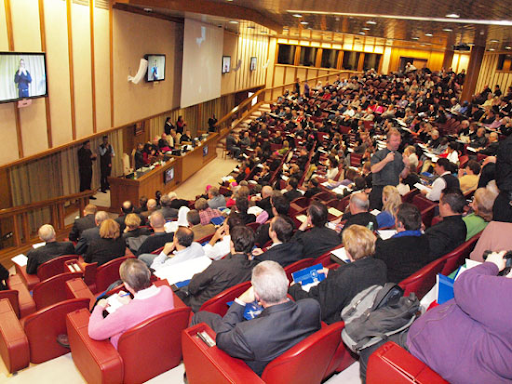
The second conference, “Ephphatha! The Deaf Person, Announcer of the Gospel,” took place in June 2010 at the Pius X Auditorium under the leadership of Archbishop Zygmunt Zimowski and Archbishop José Luis Redrado.
The conference emphasized the vocation of Deaf persons as evangelizers and active witnesses of the Gospel, gathering participants from approximately 65 countries.
2009 you can read about this conference at : https://www.vatican.va/content/benedict-xvi/en/speeches/2009/november/documents/hf_ben-xvi_spe_20091120_operatori-sanitari.html
DCYIA’s participation in these landmark conferences established its international presence and laid the foundation for its long-standing relationships with Vatican institutions in the areas of accessibility, evangelization, pastoral ministry, and Deaf leadership. The message of Ephphatha continues to inspire DCYIA’s mission today: Deaf persons are not only part of the Church—they are called to proclaim the Gospel to the world.
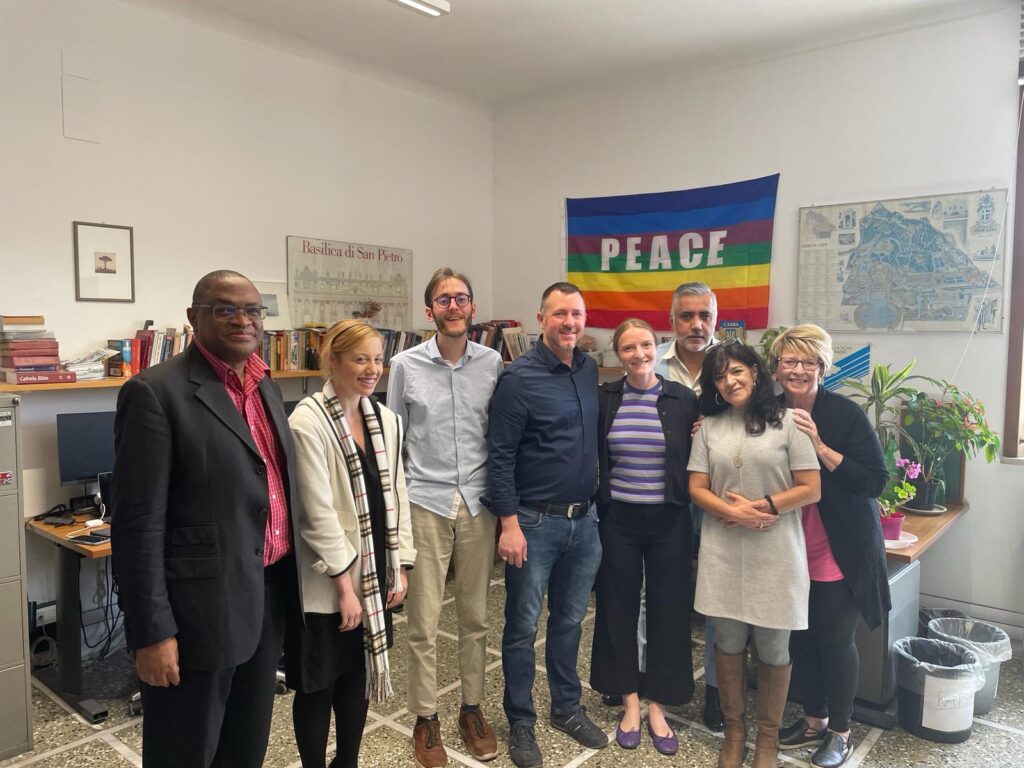
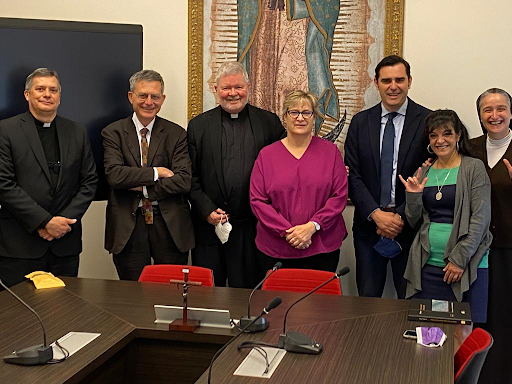
On 2026, representatives of DCYIA (Deaf Catholic Youth Initiative for the Americas) met at the Vatican with Sr. Alessandra Smerilli, Secretary of the Dicastery for Promoting Integral Human Development, and members of her team to explore future collaboration in the areas of human dignity, accessibility, and social inclusion.
The meeting focused on the Dicastery’s mission of service, dialogue, and advocacy, and on how Deaf communities can contribute to the Church’s vision of integral human development.
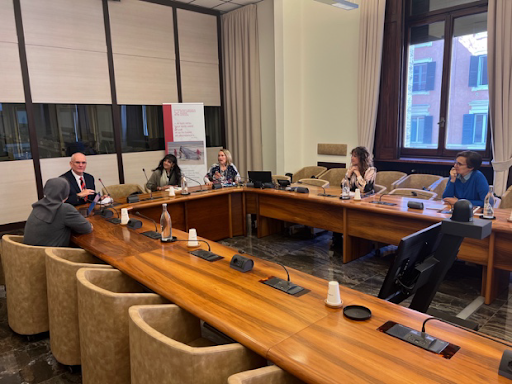
DCYIA presented its work in Deaf ministry, leadership formation, and sign-language accessibility across the Americas, emphasizing that Deaf people are a linguistic and cultural community, not simply a disability category.
A significant part of the conversation addressed the need for Deaf persons to be protagonists in the life of the Church, particularly in liturgy, pastoral leadership, and evangelization. The Dicastery expressed strong support for DCYIA’s mission and proposed ongoing collaboration, including the inclusion of sign-language interpreters in Vatican communications and events, participation in international conferences, and cooperation on initiatives related to poverty, peace, migration, and care for creation.
The meeting established a strong foundation for a long-term partnership, affirming a shared commitment to a Church where every person can communicate, participate, lead, and contribute fully to the common good.
IACD The Institute of Anthropology (IADC)
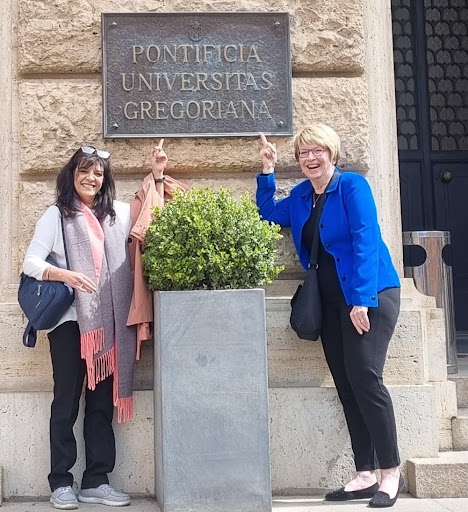
An academic institute of the Pontifical Gregorian University,
DCYIA’s collaboration with the Institute of Anthropology: Interdisciplinary Studies on Human Dignity and Care (IADC) at the Pontifical Gregorian University has centered on academic formation, accessibility, and the inclusion of Deaf voices within international Catholic education.
A significant milestone in this partnership was DCYIA’s participation in IADC academic programs as lecturers and contributors, including the presence of a Deaf teacher serving as a lecturer at the Institute for the first time. This represented an important step toward recognizing Deaf professionals as educators and experts within one of the Church’s leading academic institutions dedicated to human dignity and interdisciplinary formation.
DCYIA also participated in the IADC 2024 international conference, contributing to discussions on inclusion, accessibility, and the participation of Deaf persons in the life of the Church. Through lectures, dialogue, and collaboration with faculty and participants from around the world, DCYIA helped bring the perspective of Deaf culture, sign languages, and Deaf leadership into academic and ecclesial conversations.
This partnership reflects a shared commitment to ensuring that Deaf persons are not only the subject of discussion, but active contributors to research, education, and pastoral formation. By participating in IADC programs and conferences, DCYIA has helped strengthen the Institute’s mission of promoting human dignity through interdisciplinary collaboration and inclusive academic engagement.
Institute of Anthropology (IADC) at the Pontifical Gregorian University in Rome.
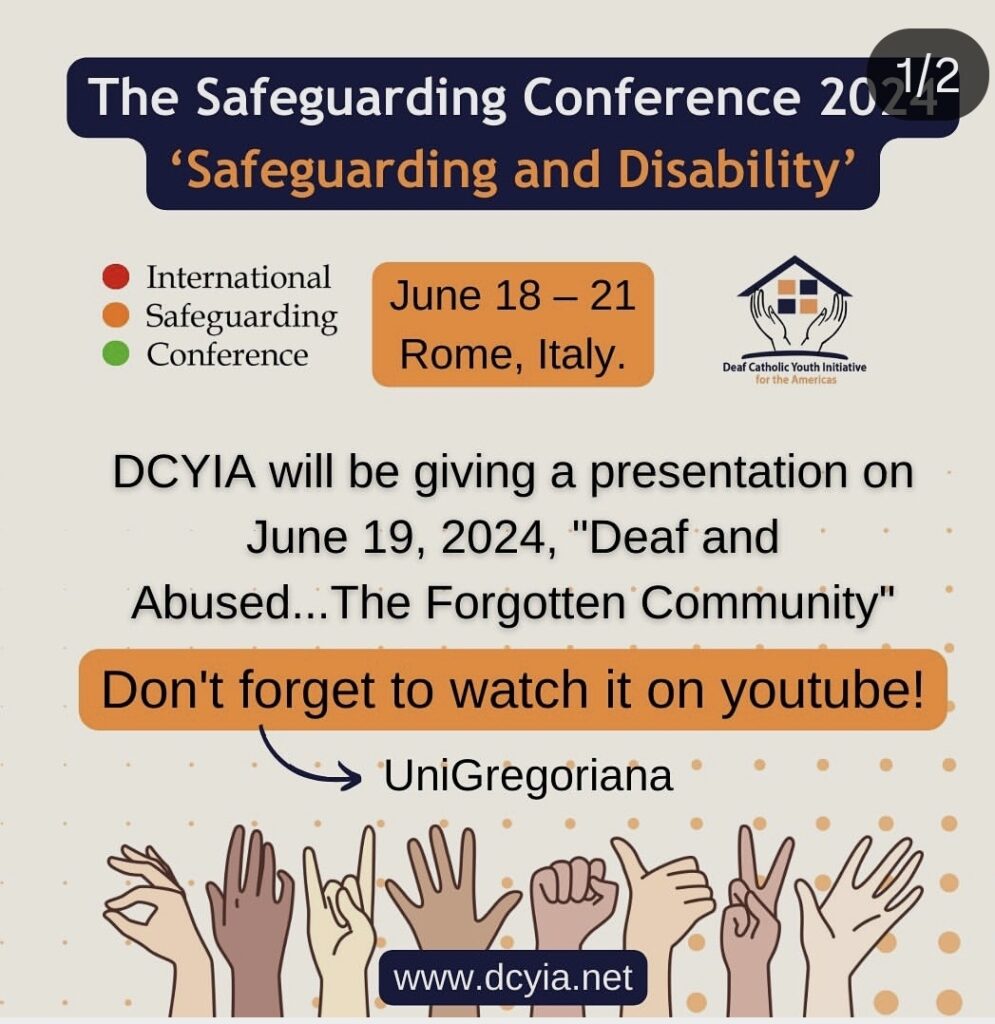
https://internationalsafeguardingconference.org/2024-2/
from June 18–21, 2024, focused on the theme “Safeguarding and Disability”. The event gathered over 230 delegates to address systemic risks, increased vulnerabilities, and prevention of abuse for individuals with disabilities.
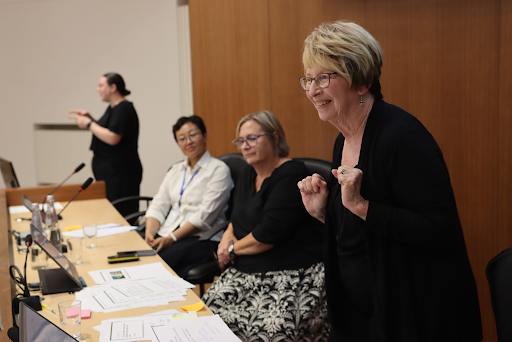
Deaf and Abused… The Forgotten Community – Laureen Lynch Ryan & Maryann Barth.
DCYIA provides lectures with their diploma, and licentiate students on DeafPeople and Abuse in their english and spanish programs.
Commission for Protection of Minors
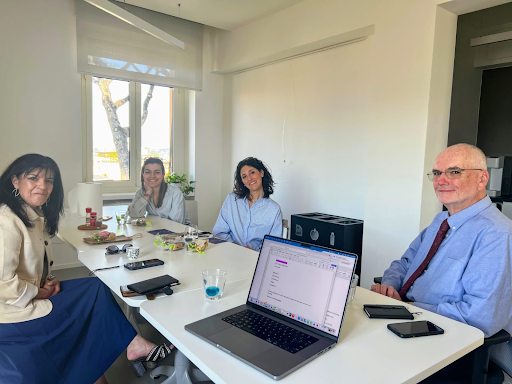
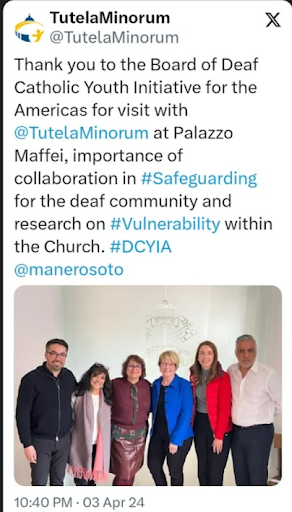
DCYIA has developed a growing relationship with the Pontifical Commission for the Protection of Minors (PCPM)
https://www.tutelaminorum.va/
Centered on ensuring that Deaf persons and individuals with communication disabilities are included in the Church’s safeguarding and pastoral initiatives. Through meetings held at the Vatican in 2024 and 2026, both institutions explored areas of collaboration related to accessibility, sign-language communication, formation, and the participation of Deaf communities in safeguarding efforts.
An important milestone in this partnership was the participation of Patricia Espinoza, member of the Pontifical Commission for the Protection of Minors, in DCYIA’s international conference in Panama, where she contributed to discussions on protection, inclusion, and the dignity of vulnerable persons. Her presence strengthened the connection between the Commission and Deaf Catholic leaders from across the Americas and opened new avenues for dialogue and cooperation.
The collaboration reflects a shared commitment to making safeguarding education, reporting mechanisms, and pastoral care accessible in sign languages and inclusive communication formats, while recognizing Deaf persons as active partners in building safer and more welcoming Church communities.
The meetings in 2024 and 2026 established a strong foundation for future collaboration, and both DCYIA and the Pontifical Commission have expressed their intention to continue working together on formation programs, conferences, accessibility initiatives, and international projects in the years ahead.
Chicago Catholic Office for the Deaf
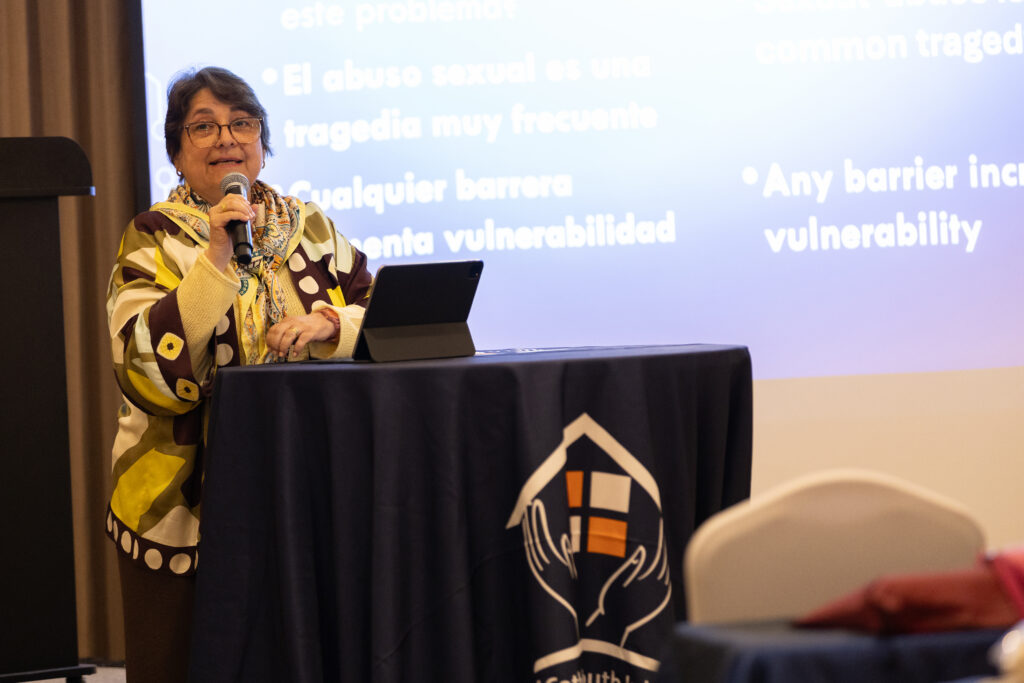
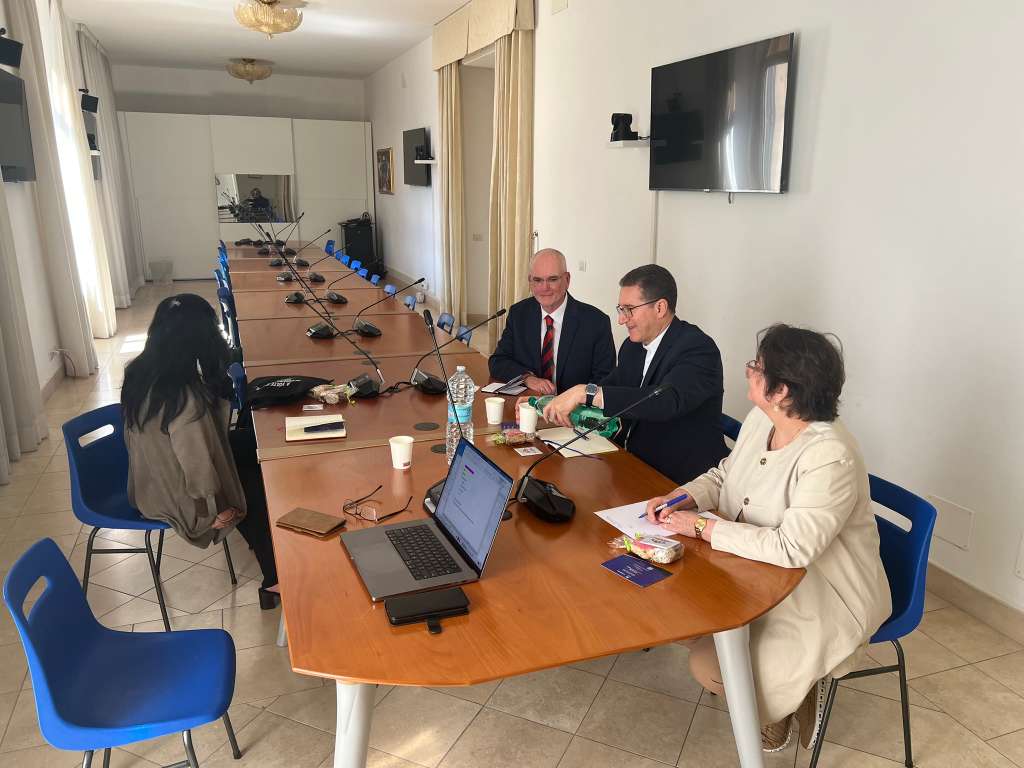
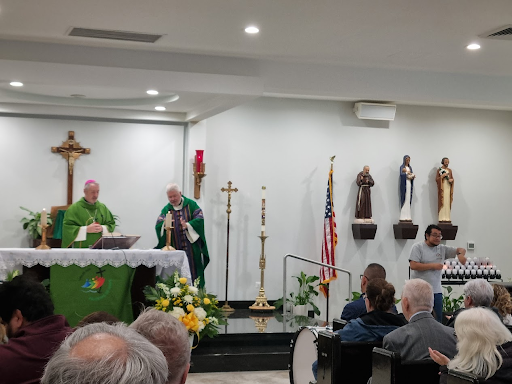
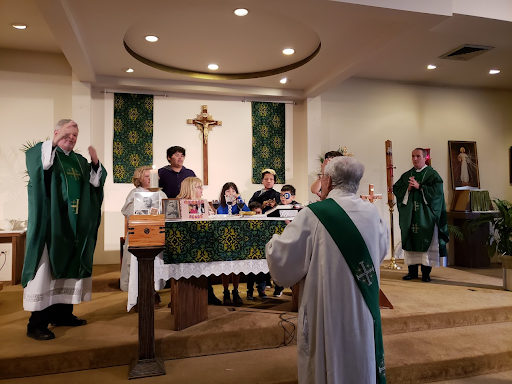
DCYIA shares a long-standing friendship and collaboration with the Chicago Catholic Office of the Dea
https://deafchurchchicago.weconnect.com/
An agency of the Archdiocese of Chicago that has served Deaf Catholics for generations through pastoral ministry, religious education, advocacy, and leadership formation. This relationship has been strengthened over many years through the guidance and friendship of Fr. Joseph Mulcrone, Director Emeritus of the Chicago Catholic Office of the Deaf and the treasurer of and one of the founding members of DCYIA
Together, DCYIA and the Chicago Catholic Office of the Deaf have collaborated in conferences, formation programs, Deaf leadership initiatives, youth ministry, liturgical accessibility, and international Catholic Deaf gatherings. The partnership has provided opportunities for Deaf Catholics from the United States, Mexico, and across the Americas to learn from one another, celebrate their faith, and develop ministries rooted in Sign Language (SL), Deaf culture, and Catholic tradition.
Fr. Mulcrone’s ongoing participation in DCYIA events and formation programs has become a visible sign of this enduring partnership, reflecting a shared commitment to accessible evangelization, pastoral care, and the formation of Deaf leaders for the Church. The relationship between DCYIA and the Chicago Catholic Office of the Deaf continues to grow, built not only on collaboration in ministry, but also on a deep friendship that has enriched both organizations and the wider Deaf Catholic community throughout the Americas.
Ministry Formation Program (MFP)
The Ministry Formation Program (MFP) is one of the core formation initiatives within the DCYIA umbrella of services
Created to provide accessible Catholic formation and leadership development for Deaf communities throughout the Americas. Through online courses, reflection sessions, and pastoral training, MFP equips Deaf and hearing participants with the spiritual, theological, and practical skills needed for ministry and service in their local communities.
A distinctive feature of the program is its commitment to full accessibility through American Sign Language (ASL) , allowing Deaf participants to engage directly with instructors, discussions, and formation materials. MFP also provides opportunities for Deaf educators and ministry leaders to serve as instructors and mentors, fostering leadership from within the Deaf community itself.
As part of DCYIA’s mission, MFP strengthens faith formation, pastoral leadership, and community building, helping prepare a new generation of Deaf Catholic leaders committed to evangelization, inclusion, and service in the Church.
Together, DCYIA and MFP continue to promote accessible Catholic formation, Deaf leadership, and collaborative ministry, helping build a Church in which every person can participate, serve, and grow in faith.
San Bartolo Coyotepec
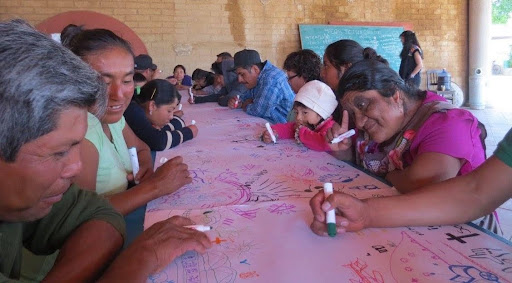
One of DCYIA’s important local partnerships is with the Catholic community of San Bartolo Coyotepec, Oaxaca, Mexico,
Under the pastoral leadership of Fr. José Rentería. Together with a dedicated team of Mexican Sign Language (LSM) interpreters and local Deaf leaders, this collaboration has fostered a vibrant and welcoming ministry for Deaf Catholics in the region.
The partnership includes accessible liturgical celebrations, faith formation, Deaf retreats, youth and family activities, leadership development, and community outreach, ensuring that Deaf persons can participate fully in the sacramental and pastoral life of the Church. Through ongoing formation and the training of interpreters and volunteers, the San Bartolo Coyotepec community has become an example of inclusive pastoral ministry rooted in local culture and Deaf identity.
DCYIA continues to support and strengthen this ministry through formation programs, leadership accompaniment, and collaborative initiatives that promote accessibility, belonging, and active participation for Deaf Catholics throughout Oaxaca and the surrounding communities.
DCYIA and Sr. Veronica Amata Donatello
DCYIA has shared a close friendship and partnership with Sr. Veronica Amata Donatello since 2008
A relationship that has grown through years of collaboration in Vatican initiatives, international conferences, accessibility projects, and pastoral formation programs.
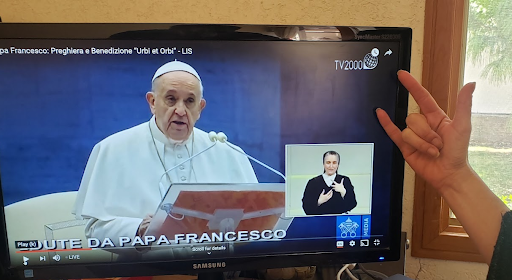
Sr. Veronica is an Italian Franciscan religious sister and one of the leading voices on disability inclusion in the Catholic Church. She serves as the head of disability outreach for the Italian Bishops’ Conference (CEI) and has been deeply involved in promoting inclusive catechesis, accessible liturgy, and the full participation of persons with disabilities in the life of the Church. As the daughter of Deaf parents, she learned Italian Sign Language (LIS) from childhood and has long advocated for Deaf communities and sign-language accessibility. She has also served as a consultor to the Dicastery for Communication, helping shape Vatican initiatives related to inclusion and accessibility.
Dicastery of Evangelization
DCYIA has maintained a close and enduring relationship with the Dicastery for Evangelization since 2015
Particularly through the leadership and friendship of Archbishop Rino Fisichella, who has consistently supported the mission of Deaf Catholic ministry and accessible evangelization.
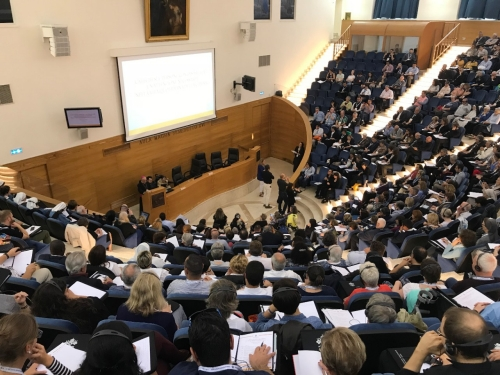
A significant milestone in this relationship was DCYIA’s participation in the 2017 international conference organized by the then Pontifical Council for Promoting the New Evangelization, titled “Catechesis and Persons with Disabilities: A Necessary Engagement in the Daily Pastoral Life of the Church.” The conference brought together Church leaders, theologians, and pastoral ministers from around the world to advance the inclusion of persons with disabilities in catechesis and evangelization.
https://www.evangelizatio.va/content/pcpne/en/news/2017-10-20-agensir2.html
The partnership deepened in 2018, when DCYIA organized its own international conference and Archbishop Fisichella served as the keynote speaker, affirming the importance of Deaf leadership and accessibility within the Church’s evangelizing mission.
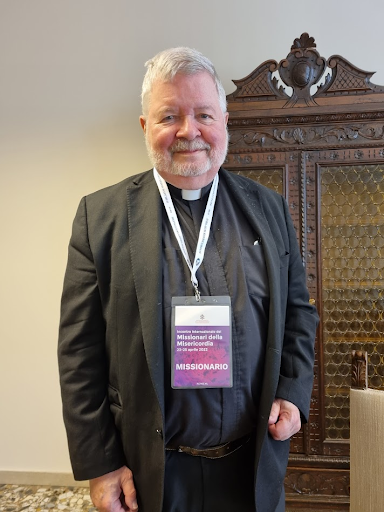
The relationship has continued to grow through the Missionaries of Mercy, with Fr. Joe Mulcrone, a member of the DCYIA Board of Directors, being appointed a Missionary of Mercy by Archbishop Fisichella. Fr. Mulcrone remains actively involved in DCYIA’s formation programs, conferences, and pastoral initiatives each year.
In 2025, DCYIA collaborated closely with the Dicastery during the Jubilee for Persons with Disabilities, supporting accessibility efforts and the participation of Deaf pilgrims in Jubilee celebrations and events.This long-standing partnership reflects a shared commitment to accessible evangelization, Deaf leadership, and a Church where every person can fully participate in proclaiming and living the Gospel.
Interested in donating?
Dicastery of Evangelization
DCYIA has maintained a close and enduring relationship with the Dicastery for Evangelization since 2015
Particularly through the leadership and friendship of Archbishop Rino Fisichella, who has consistently supported the mission of Deaf Catholic ministry and accessible evangelization.
A significant milestone in this relationship was DCYIA’s participation in the 2017 international conference organized by the then Pontifical Council for Promoting the New Evangelization, titled “Catechesis and Persons with Disabilities: A Necessary Engagement in the Daily Pastoral Life of the Church.” The conference brought together Church leaders, theologians, and pastoral ministers from around the world to advance the inclusion of persons with disabilities in catechesis and evangelization.
https://www.evangelizatio.va/content/pcpne/en/news/2017-10-20-agensir2.html
The partnership deepened in 2018, when DCYIA organized its own international conference and Archbishop Fisichella served as the keynote speaker, affirming the importance of Deaf leadership and accessibility within the Church’s evangelizing mission.
The relationship has continued to grow through the Missionaries of Mercy, with Fr. Joe Mulcrone, a member of the DCYIA Board of Directors, being appointed a Missionary of Mercy by Archbishop Fisichella. Fr. Mulcrone remains actively involved in DCYIA’s formation programs, conferences, and pastoral initiatives each year.
In 2025, DCYIA collaborated closely with the Dicastery during the Jubilee for Persons with Disabilities, supporting accessibility efforts and the participation of Deaf pilgrims in Jubilee celebrations and events.This long-standing partnership reflects a shared commitment to accessible evangelization, Deaf leadership, and a Church where every person can fully participate in proclaiming and living the Gospel.